They say a picture speaks a thousand words, and in a world where social media allows us to photograph our every waking moment, this has never been more true. but where does studio photography fit in?
Since the first photograph was taken in 1826 by French scientist Joseph Nicéphore Niépce, photography has been a part of our lives. It is said to be the world’s oldest surviving photograph, titled ‘View from the Window at Le Gras,’ and was taken at his family’s country home.
There’s no denying that technological advancements since 1826 have made it much easier for us to have much better cameras, most notably in our pockets on our mobile phones, but the power of photography transcends more than technological advancements.
The death of Her Majesty, Queen Elizabeth II, is the most recent example of photography’s universal power. We were inundated with imagery from the moment the news broke on Thursday, September 8, 2022, and will no doubt have spent countless hours scrolling through photographs of Her Highness, reflecting on her time as the world’s longest reigning monarch.
Photographs were not only used to capture The Queen’s life and document her 70-year reign, but they will also serve as a fascinating reminder of a remarkable period in history that will be preserved for future generations to enjoy.
There are several methods for taking photographs, and the method you choose depends on what you want to achieve, but using photography is one of the most powerful ways to help customers get to know your business and what you can do for them.
This article focuses on studio photography, what it is and how it can help your business.
What Is Studio Photography, and How Can It Help My Business?
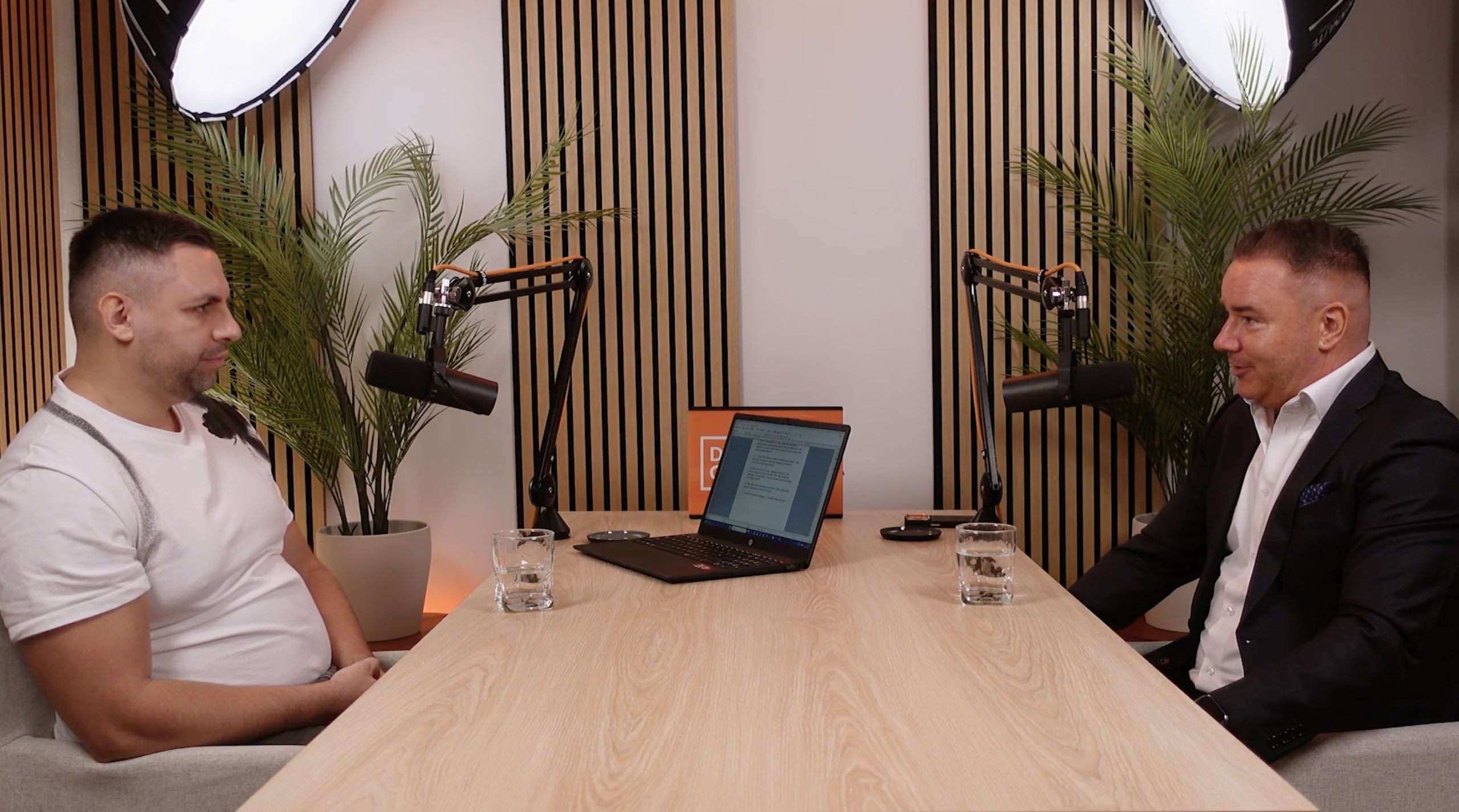
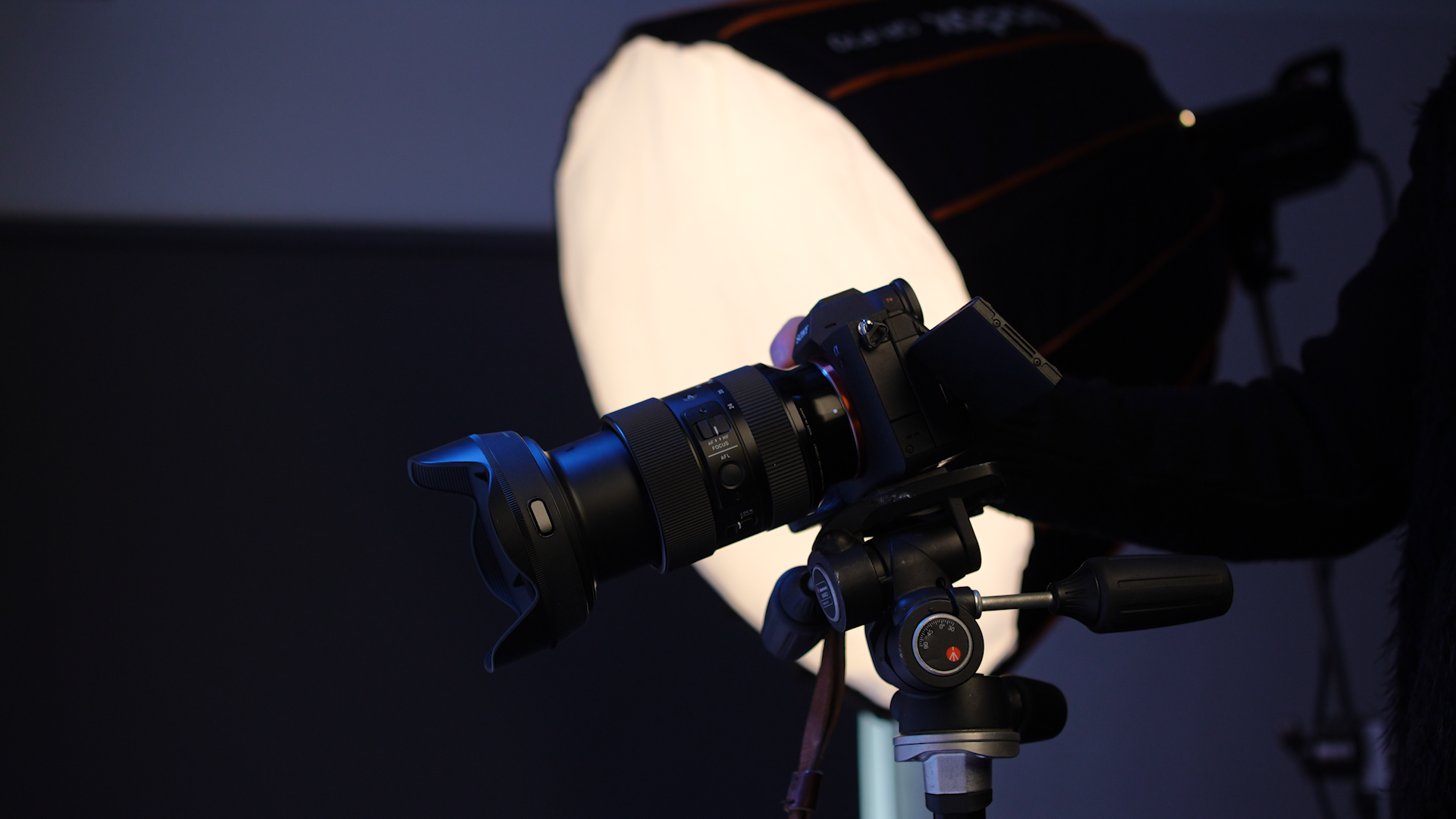
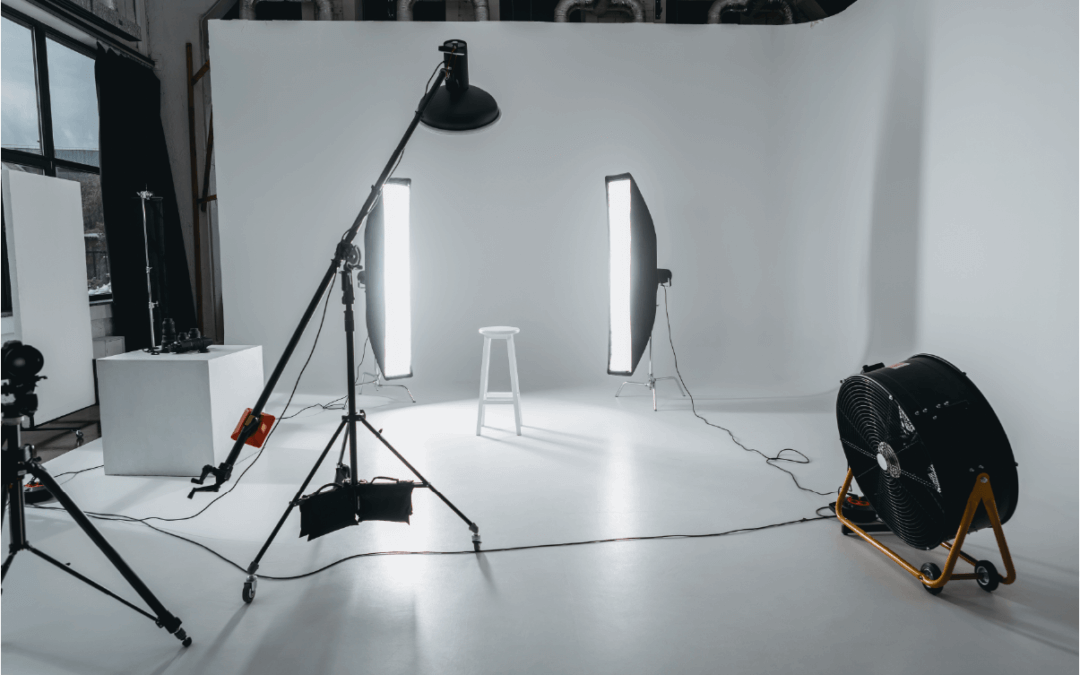
Studio photography typically entails taking photographs indoors, in a highly controlled environment known as a photographic studio – a photography studio is a workspace specifically designed and built for the purpose of taking photographs, and will include a team of professional photographers, assistants, models and make up artists.
To create the perfect photograph of a product or portrait, the photographer can use a combination of backdrops, lights, furniture, props, and models. The main benefit of shooting in this manner is that external factors that could have a negative impact on the photographs, such as bad weather, poor lighting, or unexpected interruptions, can be controlled or eliminated entirely.
Finally, studio photography provides you with the amenities and predictability you require to produce high-quality, professional photography that showcases your product to its full potential.
What are the alternatives?
Location photography is an alternative to studio photography. A photographer will use either indoor or outdoor locations, or a combination of the two, to mimic their ideal backdrop. The location(s) can range from a busy, bustling city to the peace and tranquillity of the countryside; it can be on-site at a client’s business or involve travel abroad.
Unsurprisingly, there are more external factors to consider when shooting on location. These can include the logistics of getting to the location, the possibility of requiring visas, hiring a venue, weather conditions, and so on. However, if everything goes as planned, location photography can add a new dimension to the final photographs.
What advantages does professional photography bring to your company?
Photographs are, without a doubt, worth their weight in gold. Not only can they be used to tell a story, which is essential for customer engagement (everyone loves a good story), but they can also help to explain the most complicated concepts, increase the appeal of a product or service, and, perhaps most importantly, catch the attention of a prospective customer.
By using professional photographs in your marketing, you will be projecting a higher quality image of your company, which will; – raise the perception of your business; – assist customers in visualising how your products and services could improve their own lives; – highlight the benefits of investing in your company; and – improve your brand identity.
At the same time, because images improve a website’s SEO value through the use of description and alt tags, which basically help Google search understand what your website is about, you will reach a much larger audience – a website with images is likely to receive up to 90% more traffic than a website without images.
Talk to us about professional studio photography.