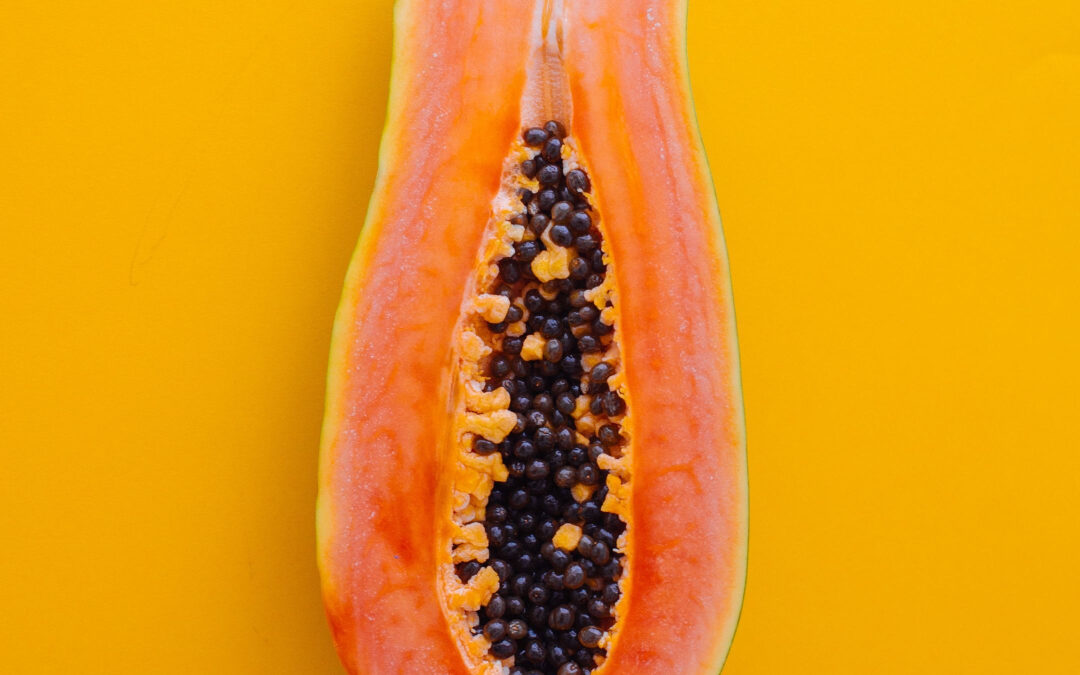
Fruit photography captures the natural beauty of fruits in creative arrangements. This style of photography can improve your business’s visual material for e-commerce, social media, and print marketing. However, capturing fruit’s vibrancy and texture isn’t easy to do. This blog delves into the wonderful world of fruit photography.
What’s Fruit Photography?
Fruit photography captures the fruit’s vitality, texture, and colour. This photography shows fruit at its freshest and most enticing for product shoots, social media campaigns, background pictures and advertising material. Fruit imagery requires a captivating way to display the fruit’s appearance.
Fruit Photography Styles
Still Life
Fruit still life photography involves beautiful fruit arrangements. The fruits are meticulously placed with items or set against textured backdrops that match and compliment their colour and shape. The idea is to create a visually appealing image that conveys a story or atmosphere. Consider traditional still life paintings, which display fruits in ornate settings with antiques or delicate linens for a rich ambience. Modern fruit still life photography combines flatware, bowls, and textured backdrops like wood or linen to provide depth and interest.
Close-Up
Close-up photography highlights its delicate characteristics. This style emphasises freshness and texture by focussing on its smaller details, such as water droplets on freshly sliced watermelon or peach skin. Advertisements that invite viewers to reach out and taste fruit use close-up views to capture its juiciness and freshness. Small elements like the fruit’s surface or internal texture (seeds or pulp) must be finely delineated in this manner.
Fruit Photography Tips
Lighting
Fruit photography relies heavily on lighting. Fruits generally have a natural shine, but the correct light can intensify it. Nature’s mellow, steady light enhances the fruit’s colour and texture. If you are shooting indoors, place the fruit near a large window for natural light. You can control the surroundings with artificial illumination. A softbox or diffused LED light can mimic natural light without sharp shadows. Try backlighting to highlight grapes and citrus’s translucence.
Composition
Composition is important to fruit photography success. The rule of thirds is a popular food photography composition technique. Divide your image into a 3×3 grid and place the fruit at intersections or along lines. This method generates a balanced, attractive photo that is easy to follow. Play with angles, too. An arrangement of fruits looks good top-down, but a side or slanted shot shows their depth and texture.
Conclusion
This Interesting genre of photography can create stunning and engaging photos when done right. Mastering fruit still life or close-up photography may produce vibrant and compelling images that stand out in today’s digital world.
For professional and innovative photography and videography, contact Luminary.