Food photography takes more than just taking a quick picture of food before you eat it. It’s all about encapsulating the spirit of food, the creativity involved in its preparation, and the excitement surrounding the impending feast. To become an expert at professional food photography, you should read the following advice.
The Right Equipment
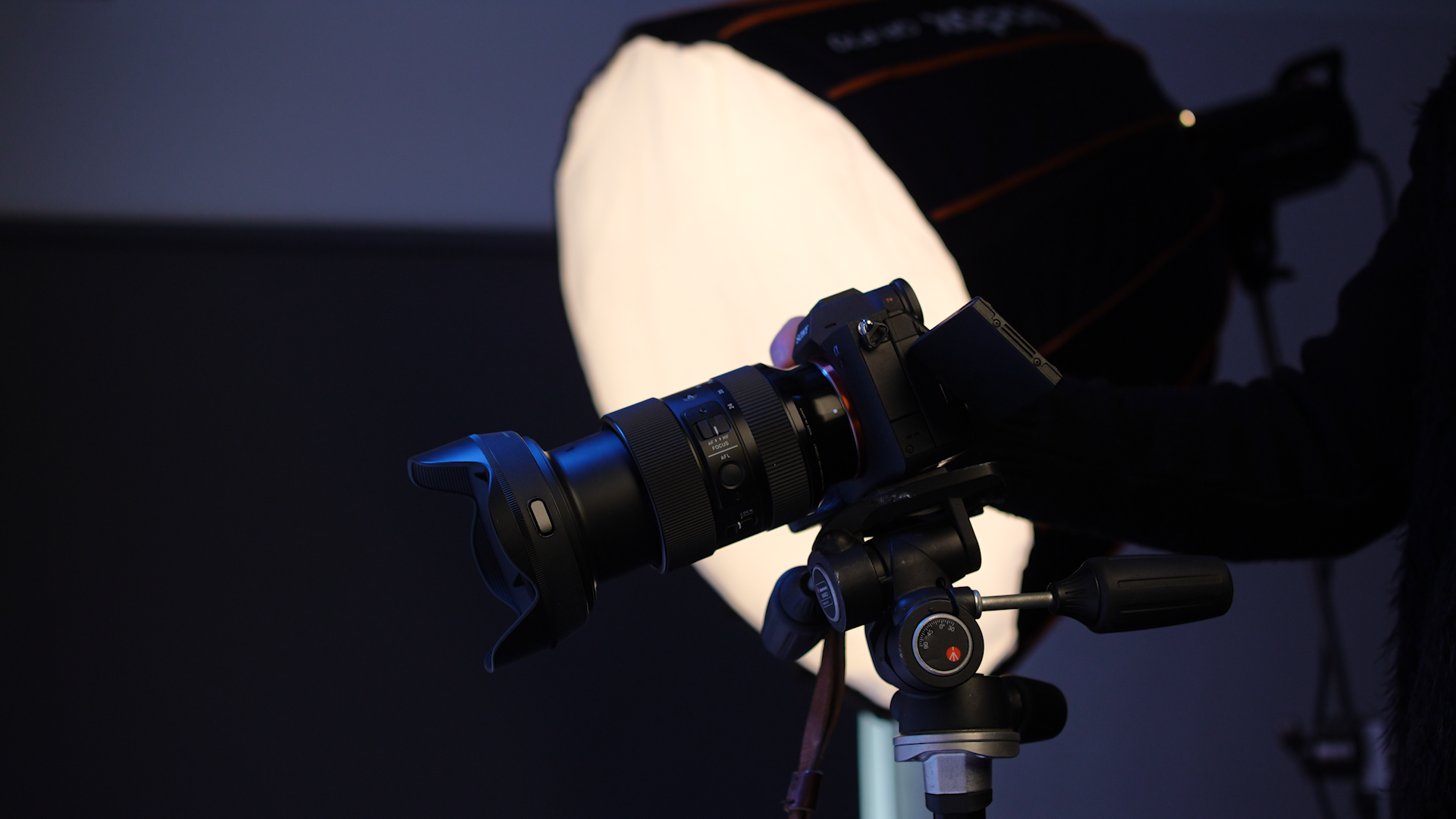
A good camera is the first step towards becoming a professional food photographer. Consider attributes like sensor size, lens quality, and manual setting settings when choosing a camera. How you use it matters more than the price all the time.
Make the Lighting Perfect
Food photography requires excellent lighting, much like any other area of photography. The ideal light for you is natural light. Recall that an image with too much light can appear washed out, while one with too little light can appear flat. Your food images can have a cosy, inviting glow from the golden hours, which are defined as the gentle, diffused light at sunrise or sunset.
Manage the Shadows
The shadows’ direction and strength can significantly alter your food photo’s tone. Try controlling shadows by experimenting with diffusers and reflectors.
Display the Ingredients
Draw attention to the components of the dish. It gives the scene more realism and lets the audience taste the flavours.
Use Props Judiciously
Props can enhance the dish, but they should never take the stage. Considering the hue and theme, select products that bring out the best in the food.
Third-Ring Rule
After dividing your frame into nine equal portions, place your main subject among these lines or their intersections. As a result, the image is more visually balanced.
Angles
Different angles can significantly alter a dish’s appearance. Sideways photos are ideal for burgers, sandwiches, or layered foods; overhead shots are better for flat-lays and table settings.
The Post-Process is Crucial
Even the most skilled food photographers use manipulation to polish their images. Proficiency in fundamental editing techniques, such as changing saturation, contrast, and brightness, can significantly improve your photos.
Practice, Practice, and More Practice
Food photography needs practice, much as cooking. Experiment, learn from your failures, and never stop trying to improve your abilities.
In summary
Taking visually appealing pictures of food is not the only thing required to become a professional food photographer. It takes time, perseverance, and a thorough understanding of lighting, composition, and styling. Remember that each dish has a narrative, and it is your responsibility as a photographer to express it powerfully. By honing these abilities, you may create food photos that pique viewers’ interest while capturing their attention and stimulating their palates. Cheers to your shooting!
For professional and innovative photography and videography, contact Luminary.