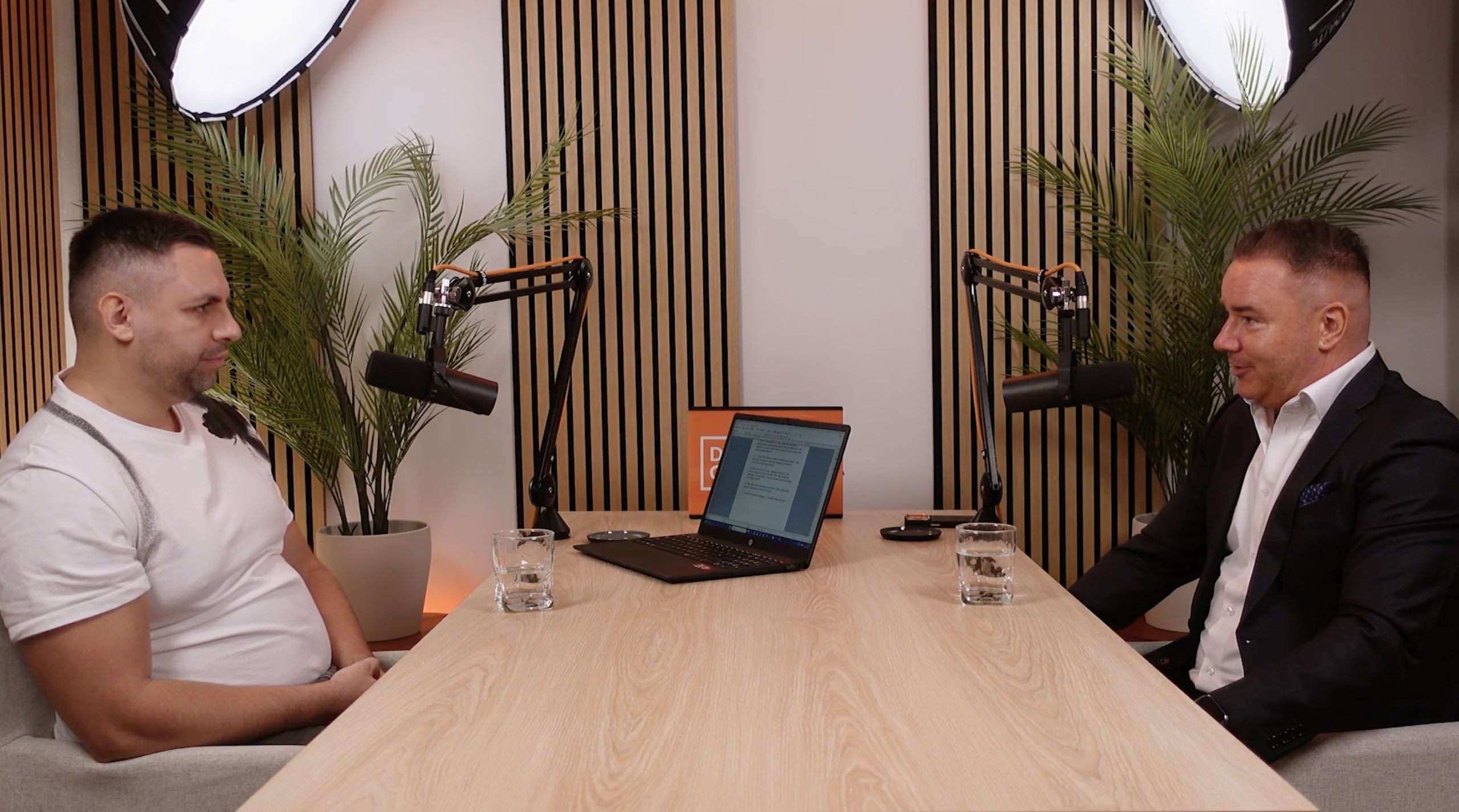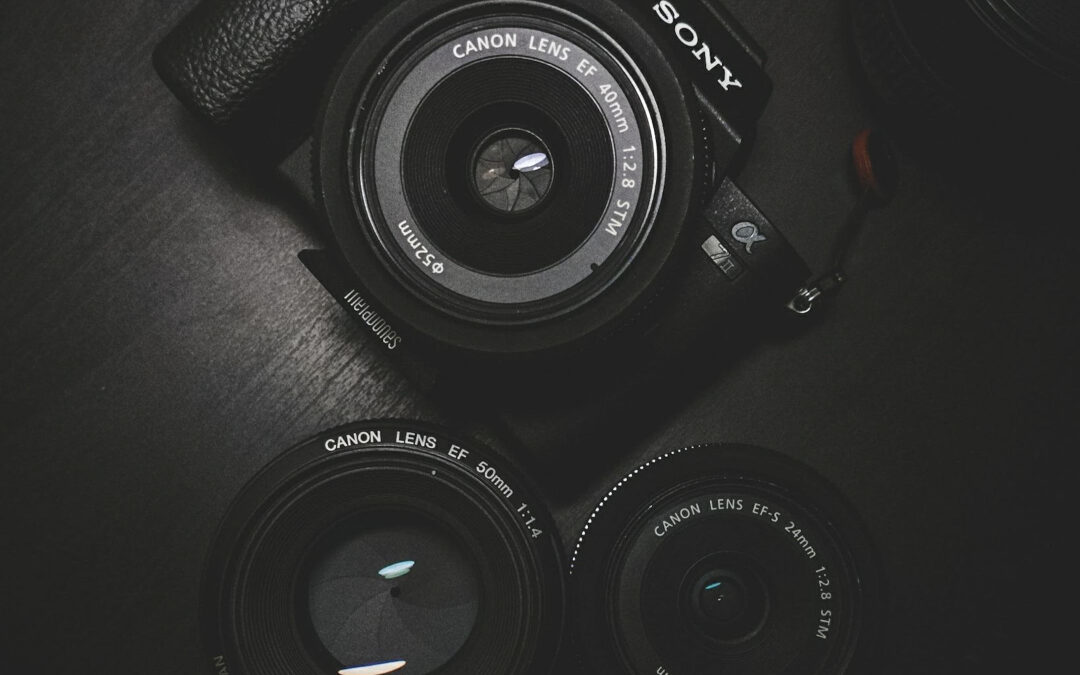
You can make professional shots by controlling the lighting, background, and other variables in a photographic studio, but your equipment plays an important role. This blog outlines a summary of the necessary tools for setting up your photo studio.
Cameras
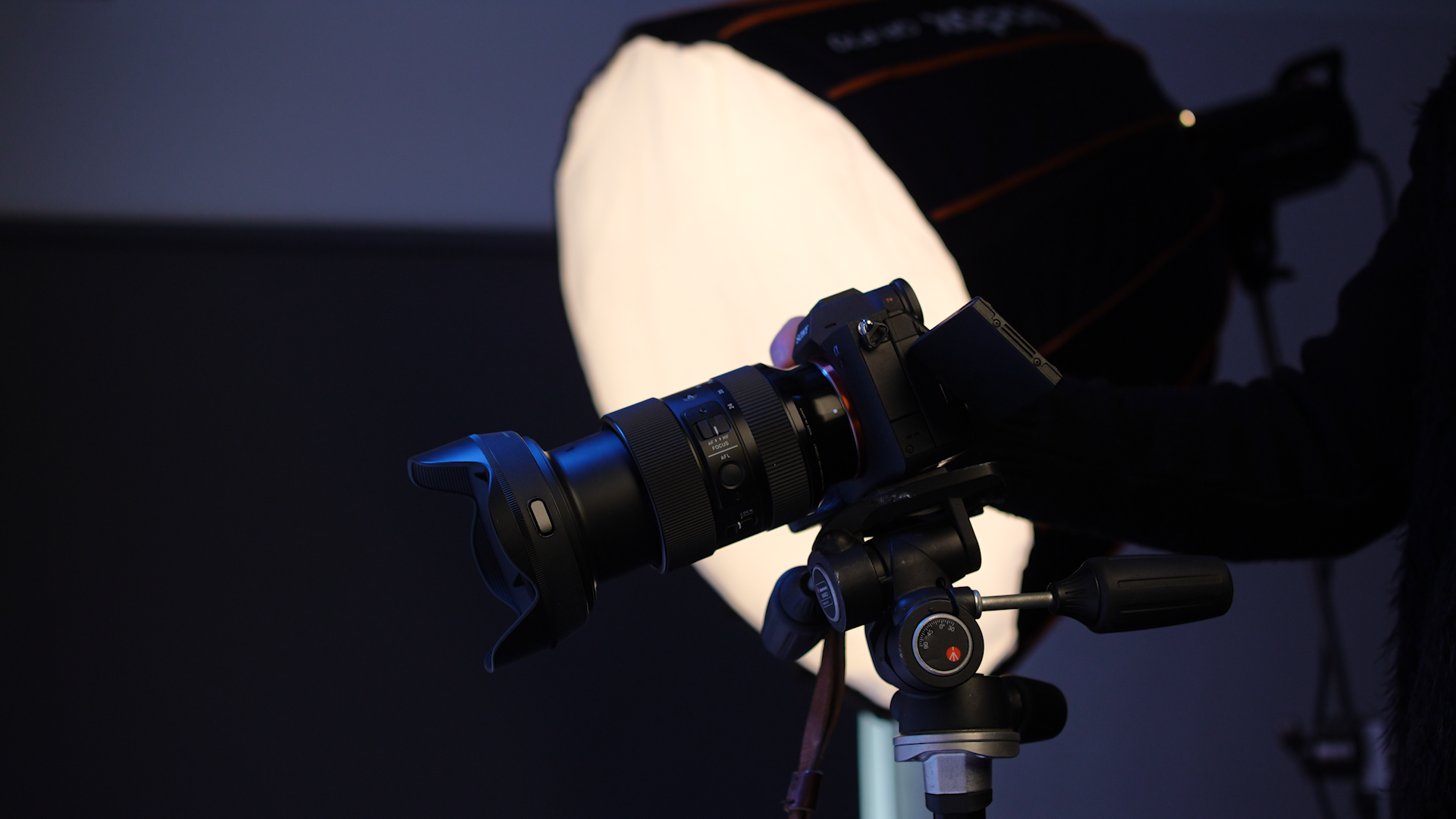
It should go without saying, but you will need at least one camera! For studio photography, a DSLR or mirrorless interchangeable lens camera (MILC) is the best option since it gives you more control over the settings and lets you switch out the lenses for alternative looks.
Camera Lenses
Your lens choice will be influenced by the photography you plan to do. A prime lens in the 50- to 85mm range works well for portraiture. Using a macro lens will let you take close-up pictures of product details.
Lighting
Lighting is one of the most important aspects of studio photography. To create the desired effect, you can adjust the light’s quality, direction, and intensity using studio lighting. Studio lighting primarily comes in two forms:
Strobe lights: These lights give a brief flash of light that can be used to produce dramatic effects or stop motion.
Constant lighting: If you want to see how the light will fall on your subject before you take the picture, these lamps offer a steady supply of light.
Light Modifiers
You can manipulate the light from your studio lights using light modifiers. Examples include:
Softboxes: A softbox is a light modulator that releases light through a diffusion layer after being contained by a wire-framed box containing artificial light. Softboxes are a popular soft light source in photography that reduces harsh shadows.
Umbrellas: Umbrellas are among the easiest light modifiers to use because they are affordable, lightweight, practical and ideal for novices. They diffuse and soften the light to prevent harsh shadows.
Reflectors: Reflectors for photography studios help you manage the lighting by reflecting light towards who you are and what you are photographing. They are more convenient and reasonably priced than setting up several light sources.
Backdrop
Your images will have a clear background thanks to a backdrop. Numerous background options are available to you, such as patterned backdrops or solid-coloured paper, canvas, or muslin.
Tripod
Stability is crucial for your camera when taking close-up or slow-exposure shots, especially when using a tripod.
You’ll be well on your way to setting up your studio and producing images of high quality with these necessary tools. Remember that you can always add more equipment as your requirements increase.
For professional and innovative photography and videography, contact Luminary.